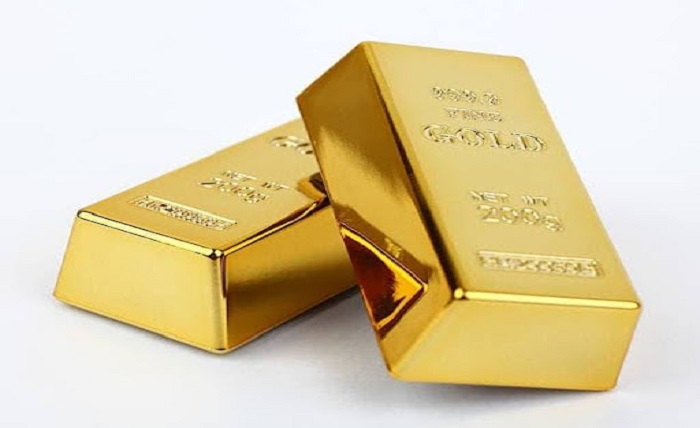
Let’s be honest: when we talk about gold in India, we’re not just discussing a metal, we’re delving into a legacy, an emotion, and a very serious financial asset all rolled into one. And if you’ve found yourself circling the idea of a substantial transaction—like dealing with the 50 tola gold price—you’re playing in the big leagues. This isn’t about a casual necklace purchase, it’s a significant move. The sheer weight of it, roughly 583 grams or 1.28 pounds of pure potential, commands respect and a hefty sum. So, before you get swept up in the glitter, let’s walk through some unvarnished, practical wisdom for navigating this space. The online calculators, like the handy one from Bitget you might have seen, give you a number, but that’s just the starting point of a much longer conversation.
Understanding the Weight of the Matter
First things first, let’s demystify the unit itself. The tola isn’t some obscure term, it’s a traditional weight measurement deeply rooted in South Asian culture, still fiercely relevant in the gold trade. One tola equals 11.66 grams. So, when you multiply that by 50, you’re looking at 583 grams of gold. That’s a serious bar or a collection of hefty ornaments. The 50 tola gold price isn’t a static figure you can just Google once and be done with. It’s a living, breathing number that dances to the tunes of the international spot price (in dollars per ounce), the USD/INR exchange rate, and, of course, the making charges and local taxes slapped on top. A website calculator gives you a fantastic benchmark, a snapshot based on current pure gold value. But remember, that’s for 24-karat, 999 fineness gold. If you’re buying jewellery, you’re often looking at 22-karat (91.6% pure), which means you need to adjust for purity. The final price tag for a 50-tola transaction is this massive equation where global economics meets local craftsmanship.
The Buying Game: More Than Just the Price Tag
Alright, you’ve decided to buy. Maybe it’s for a monumental wedding, a long-term investment, or a family legacy move. Seeing that calculated 50 tola gold price might give you a minor heart attack, but don’t let it be the only thing on your mind. Purity certification is your holy grail. Always, and I mean always, buy from Bureau of Indian Standards (BIS)-hallmarked jewellers. That little stamp isn’t just a formality, it’s your insurance policy. For a transaction of this scale, ask for a detailed invoice that breaks down the cost: the pure gold value based on the day’s rate for 583 grams, the making charges per gram, GST, and any other levies. Don’t be shy about shopping around. The making charges can vary wildly between a renowned brand in a metro and a trusted local jeweller in a traditional market. Sometimes, opting for simpler designs with lower making charges on such a large quantity can save you a small fortune, keeping more of your money in the actual metal.
Also, think about form. Are you buying a 50-tola bar or coins, or is it jewellery? Bars and coins are primarily investment vehicles—their buy-back is usually smoother, closer to the pure gold value. Jewellery carries emotional and aesthetic value, but also higher making charges that you rarely recoup fully when selling. Consider splitting your purchase: perhaps a 30-tola bar for pure investment and 20 tolas in jewellery for use. And timing? While trying to time the market is tricky, keeping an eye on trends—buying during seasonal dips or when the rupee is strong—can make a tangible difference on the final amount you pay for that 50 tola gold price.
The Selling Side: Turning Gold into Cash Wisely
Now, the flip side. Selling 50 tolas of gold is a major liquidity event. The most common mistake is walking into the first shop that offers a price. The quoted 50 tola gold price a seller offers you will almost always be for pure 24-karat gold. If you’re selling jewellery, they will deduct for purity (if it’s 22k), and then there’s the heartbreaker: making charges are a sunk cost. You won’t get them back. The jeweller is buying the metal, not the craftsmanship. So, get multiple valuations. Take your gold to at least three or four reputable buyers: your original jeweller (if you have a long relationship), other local BIS-certified shops, and even consider organized players or banks that buy back gold. Each will test the purity, often right in front of you using touchstone or electronic methods, and give you a quote.
Transparency is key. Ask them to explain their calculation: “What is your daily gold rate per gram? What deduction are you applying for 22-karat purity? Are there any other charges?” For old jewellery, there might be a minor deduction for wear and tear. Don’t rush. The difference of even ₹50 per gram on 583 grams amounts to over ₹29,000. That’s significant. Also, explore digital gold platforms or gold loan options if you’re not sure about a permanent sale. Sometimes, taking a loan against your gold at a reasonable interest rate can be smarter than selling at an inopportune time, especially if you believe the 50 tola gold price might appreciate soon.
The Digital and Documentation Dance
In today’s world, a cash transaction for something of this value is a red flag. Always insist on a proper banking channel—cheque, bank transfer, etc. It creates a legitimate paper trail, which is crucial for your financial records and safety. Get a proper sale receipt from the buyer, detailing the weight, purity, rate per gram, total value, and their license details. This document is vital. When buying, your invoice is your proof of purchase and authenticity. Keep these documents safe forever, they might be needed for future sales, wealth tax considerations (though currently not applicable), or simply for family record-keeping.
Furthermore, use the digital tools available, but wisely. That online 50 tola gold price calculator you used is a great starting point for awareness. It sets a baseline. Follow live gold price apps or websites to understand the daily movements. However, never let an online quote be your final word. The physical market has its own nuances. Use the digital knowledge to arm yourself for the real-world negotiation. Knowing the international trend empowers you to question a local quote that seems wildly off.
Navigating the Emotional Currents
This might be the most important, yet least discussed, aspect. Gold in India is tied to memories, heirlooms, and sentiments. Selling a family piece that weighs 50 tolas can be emotionally charged. Separate the sentiment from the investment if you can. If the piece has immense emotional value, perhaps only part of it needs to be sold, or maybe exploring a redesign is better than an outright sale. On the buying side, the excitement of acquiring such a substantial amount can lead to impulsive decisions. Pause. Breathe. Let the glitter settle, and focus on the numbers, the certification, and the long-term purpose of this purchase. Is it for security, for an event, or for passing on? Let that goal guide your decisions more than the allure of the moment.
In the end, transacting at the level of the 50 tola gold price is a blend of sharp financial acumen and deep cultural understanding. It’s about respecting the weight of the metal and the weight of the decision. It’s not a sprint, it’s a strategic maneuver. Do your homework, lean on trust but verify with certification, move money through clean channels, and always, always know the breakdown of the number you’re finally paying or receiving. That way, whether you’re adding a formidable asset to your locker or converting legacy into opportunity, you do it with confidence, clarity, and a bit of that timeless wisdom that gold itself represents.
Bitget provides large-unit pricing through 50 tola gold price, offering INR value using updated gold benchmarks.